
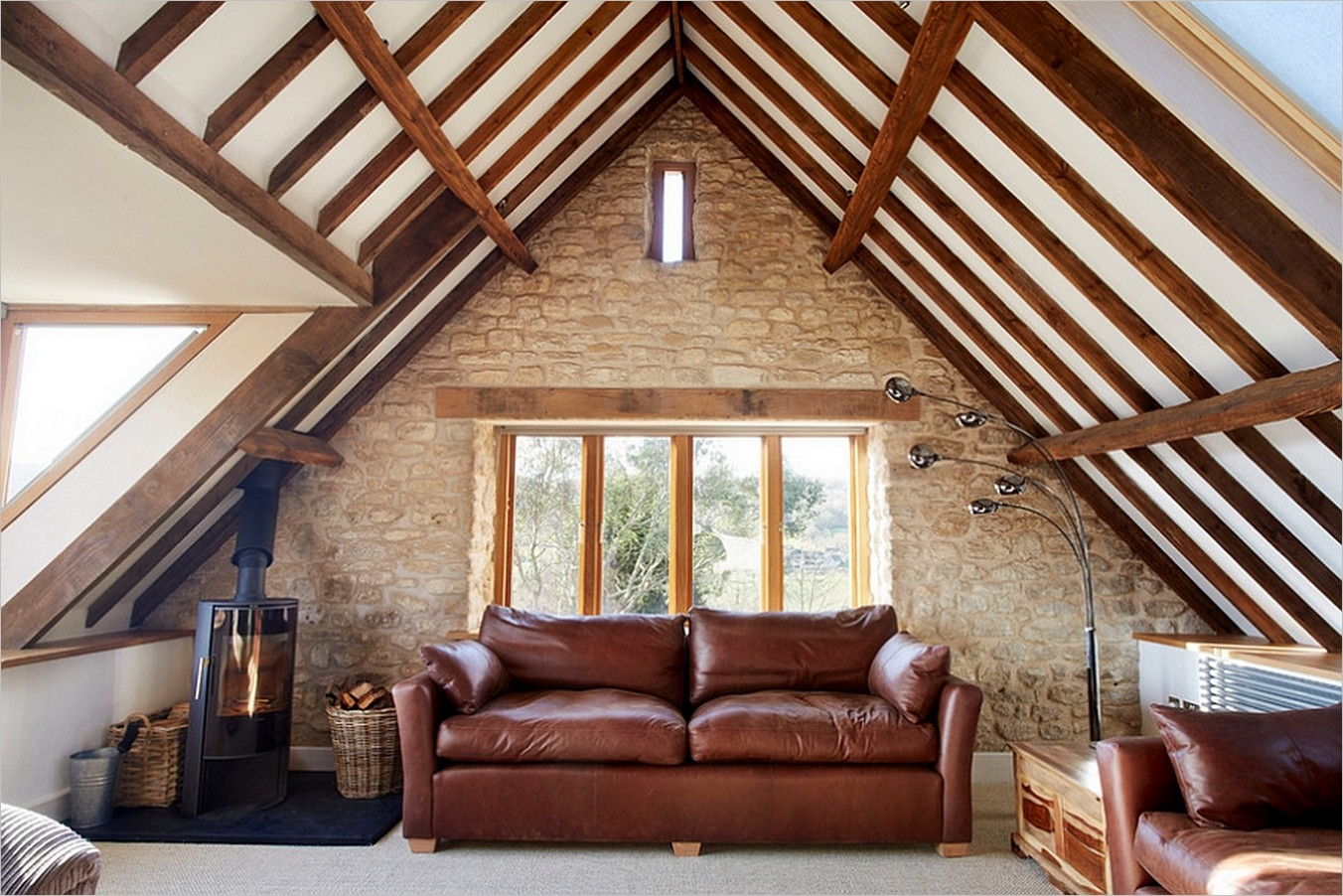
There’s something undeniably charming about an attic bedroom. Those sloping ceilings, dormer windows, and tucked-away spaces whisper of cozy retreats and personal sanctuaries. But turning that raw attic space into a functional and stylish bedroom presents unique challenges. From maximizing space to working with awkward angles, we'll explore how to transform your attic into a dreamy haven, highlighting both practical solutions and innovative design ideas.
Planning Your Attic Bedroom Transformation
Before you even think about paint colors or furniture, careful planning is paramount. Start by assessing your attic's potential and limitations. Consider the following:
Head Height: This is the most critical factor. Building codes typically require a minimum ceiling height over a certain percentage of the floor area to qualify as a habitable space. Measure the height at various points to understand the usable area. If headroom is severely limited, consider raising the roofline – a significant investment, but one that dramatically expands your possibilities.
Structural Integrity: Consult with a structural engineer to ensure the attic floor can support the weight of furniture, occupants, and any planned renovations. Reinforcements might be necessary.
Building Codes and Permits: Research local building codes regarding attic conversions. Permits are usually required for electrical, plumbing, and structural work. Failure to comply can result in costly fines and delays.
Insulation and Ventilation: Attics are notorious for temperature extremes. Proper insulation is crucial for energy efficiency and comfort. Ensure adequate ventilation to prevent moisture buildup and mold growth. Spray foam insulation is often a good choice for attics due to its ability to seal air gaps and conform to irregular shapes.
Access: How will you access the attic bedroom? A standard staircase is ideal but might not be feasible in all homes. Consider a spiral staircase or even a well-designed ladder as alternatives, weighing the pros and cons of each option in terms of space and convenience.
Maximizing Space in Your Attic Bedroom
Attics often present space constraints due to slanted walls and limited floor area. Clever design solutions are essential to make the most of every inch:
Built-in Storage: Forget bulky freestanding wardrobes. Opt for built-in storage solutions that utilize the angles of the walls. Custom cabinets, drawers, and shelving can be integrated seamlessly into the eaves, maximizing storage without sacrificing floor space. Consider incorporating pull-out drawers under the eaves for easy access to items stored deep within.
Low-Profile Furniture: Choose furniture that is low to the ground to create a sense of spaciousness. Platform beds, floor cushions, and low sofas work well in attic bedrooms. Avoid tall, imposing pieces that can make the room feel cramped.
Multifunctional Furniture: Pieces that serve multiple purposes are invaluable in small spaces. A storage ottoman can provide seating, storage, and a footrest. A fold-down desk can be tucked away when not in use. A sofa bed can transform the attic into a guest room when needed.
Vertical Storage: While horizontal space is limited, take advantage of vertical space wherever possible. Tall, narrow bookshelves can fit into tight corners and provide ample storage for books, accessories, and personal items.
Mirrors: Strategically placed mirrors can create the illusion of more space and reflect light, making the room feel brighter and airier. Consider a large mirror on a wall or a collection of smaller mirrors to maximize the effect.
Embracing Slanted Wall Charm
Instead of viewing slanted walls as a design obstacle, embrace them as a unique architectural feature. Here's how:
Highlight the Angles: Paint the slanted walls a different color or accent them with wallpaper to draw attention to their unique shape. Consider using a bold color or pattern to create a focal point.
Create Cozy Nooks: Utilize the alcoves created by slanted walls to create cozy reading nooks or window seats. Add comfortable cushions, pillows, and throws to create a relaxing and inviting space. Integrating lighting into these nooks enhances their functionality and ambiance.
Artwork and Decor: Hang artwork and decor that complement the angles of the walls. Consider using a gallery wall with pieces of varying sizes and shapes to create a visually interesting display. Avoid hanging artwork too high; keep it at eye level to create a sense of balance.
Lighting: Slanted ceilings can often block natural light. Supplement with ample artificial lighting. Recessed lighting is a good option for general illumination, while task lighting (such as desk lamps and reading lights) provides focused light for specific activities. Consider using dimmers to adjust the lighting to suit your mood.
Color Palette: Lighter colors tend to make a space feel larger and brighter. Consider using a neutral color palette with pops of color to add personality and visual interest. Avoid using dark colors on the ceiling, as this can make the room feel cramped.
Cutting-Edge Innovations for Attic Bedrooms
Technology is constantly evolving, and several innovations can enhance your attic bedroom:
Smart Home Integration: Integrate smart home technology to control lighting, temperature, and entertainment systems with your voice or smartphone. This adds convenience and energy efficiency.
Skylights with Automated Shades: Skylights provide natural light and ventilation. Opt for skylights with automated shades that can be controlled remotely, allowing you to adjust the amount of light entering the room. Solar-powered skylights can further reduce energy consumption.
Space-Saving Furniture Systems: Explore innovative furniture systems designed for small spaces, such as Murphy beds, convertible sofas, and expandable tables. These pieces can transform your attic bedroom into a multifunctional space that adapts to your needs.
Advanced Insulation Materials: Research cutting-edge insulation materials that offer superior thermal performance and moisture resistance. Aerogel insulation, for example, is extremely effective and lightweight, making it ideal for attic applications.
Integrated Sound Systems: Incorporate a discreet and high-quality sound system into your attic bedroom. Consider using in-wall or in-ceiling speakers to minimize clutter. Wireless streaming technology allows you to easily access your favorite music and podcasts.
Strategic Recommendations for a Successful Attic Bedroom Project
Transforming an attic into a bedroom is a complex project that requires careful planning and execution. Here are some strategic recommendations to ensure a successful outcome:
Hire Professionals: Don't attempt to DIY everything. Engage qualified architects, engineers, and contractors with experience in attic conversions. Their expertise can save you time, money, and headaches in the long run.
Prioritize Functionality: Focus on creating a functional and comfortable space that meets your needs. Don't sacrifice usability for aesthetics. Consider how you will use the room and design it accordingly.
Stay Within Budget: Establish a realistic budget and stick to it. Attic conversions can be expensive, so it's important to track your spending and make informed decisions. Get multiple quotes from contractors and compare prices carefully.
Consider Resale Value: Think about how the attic bedroom will impact your home's resale value. A well-designed and functional attic conversion can significantly increase your home's value, while a poorly executed one can have the opposite effect.
Don't Be Afraid to Experiment: Attic bedrooms are inherently unique spaces. Embrace the challenges and opportunities that they present. Don't be afraid to experiment with different design ideas and create a space that reflects your personal style.
Ultimately, designing an attic bedroom is about creating a space that feels both functional and inviting. By carefully planning, maximizing space, embracing the unique architectural features, and leveraging cutting-edge innovations, you can transform your attic into a cozy and stylish retreat that you'll love spending time in. Now, take a step back, assess your attic, and begin envisioning the possibilities. The next step is to consult with a professional to discuss your ideas and start the journey of turning your attic dream into a reality.