
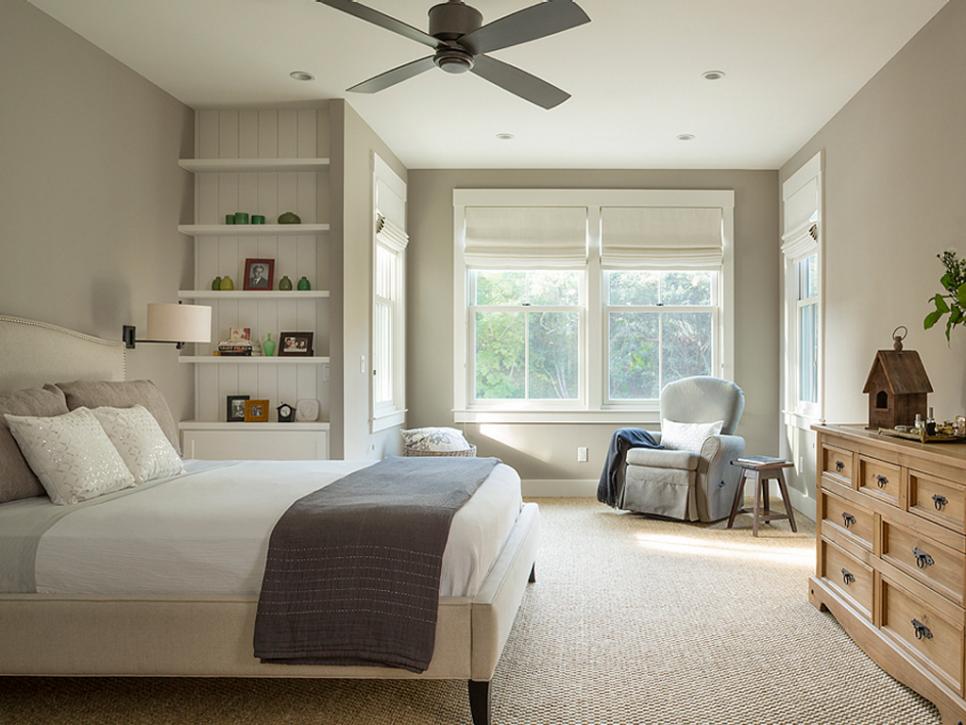
Your bedroom should be more than just a place to sleep; it should be a sanctuary, a personal haven where you can truly unwind and recharge. But with the demands of everyday life, creating that perfect space can feel overwhelming. That's where understanding and implementing bedroom niches comes in. By strategically designing distinct areas within your bedroom, you can optimize its functionality and create a more relaxing and enjoyable environment. This guide will walk you through the process of identifying your needs, exploring design options, and ultimately crafting the perfect sleep sanctuary tailored to you.
Understanding Your Bedroom Needs and Desires
Before diving into design ideas, take some time to assess your current bedroom and honestly evaluate what works and what doesn’t. What do you wish you had more of? What activities do you enjoy doing in your bedroom besides sleeping? Are you an avid reader, a fitness enthusiast, or someone who needs a dedicated workspace? Identifying your priorities is the first crucial step in creating successful bedroom niches.
Consider the size and layout of your bedroom. A large room offers more flexibility in creating multiple niches, while a smaller room requires more strategic planning to maximize space. Think about natural light sources, existing furniture, and any architectural features that could influence your design. Don't forget to consider practical aspects like storage needs and accessibility.
Consider your personal style. Are you drawn to minimalist aesthetics, bohemian vibes, or classic elegance? Your personal style should inform every design decision, from color palettes to furniture choices. Ultimately, the goal is to create a space that reflects your personality and makes you feel comfortable and at peace.
Exploring Different Types of Bedroom Niches
Once you have a clear understanding of your needs and preferences, it’s time to explore different types of bedroom niches and how they can be incorporated into your space.
The Reading Nook: A cozy reading nook is a perfect addition for book lovers. This niche typically includes a comfortable armchair, a floor lamp, and a small side table for books and beverages. Consider adding a bookshelf or wall-mounted shelves to create a dedicated library area. Natural light is ideal for a reading nook, but if that's not possible, ensure adequate artificial lighting.
The Workspace Nook: With the rise of remote work, a dedicated workspace in the bedroom has become increasingly important. This niche should include a functional desk, a comfortable chair, and adequate lighting. Consider incorporating storage solutions, such as drawers or shelves, to keep your workspace organized and clutter-free. Position your desk near a window for natural light and fresh air.
The Meditation or Yoga Nook: Creating a calming space for meditation or yoga can significantly enhance your well-being. This niche typically includes a comfortable mat, cushions, and soft lighting. Consider adding plants or aromatherapy diffusers to create a relaxing atmosphere. Keep the space uncluttered and free from distractions.
The Dressing Area Nook: A dedicated dressing area can streamline your morning routine. This niche typically includes a vanity, a mirror, and storage for clothing and accessories. Consider adding a comfortable bench or stool for getting ready. Good lighting is essential for a dressing area, so ensure adequate natural or artificial light.
The Relaxation Nook: This niche is all about creating a space for pure relaxation. This could include a comfortable chaise lounge, a small table for drinks, and soft lighting. Consider adding elements like a sound machine or a weighted blanket to enhance relaxation. Keep this area free from technology and distractions.
Designing Your Bedroom Niches: A Step-by-Step Guide
Now that you have a better understanding of the different types of bedroom niches, it’s time to start designing your own space. This step-by-step guide will walk you through the process.
Step 1: Assess Your Space: Begin by taking accurate measurements of your bedroom, including the dimensions of walls, windows, and doors. Create a floor plan to visualize the layout of your room and how the niches will fit within the existing space. Consider the flow of traffic within the room and ensure that the niches don't obstruct movement.
Step 2: Prioritize Your Niches: Based on your needs and preferences, prioritize the niches you want to create. If you have limited space, focus on the most essential niches first. You can always add more niches later as your needs evolve. Consider how the different niches will complement each other and create a cohesive design.
Step 3: Choose Your Location: Carefully consider the location of each niche within your bedroom. Consider factors like natural light, privacy, and accessibility. For example, a reading nook might be best placed near a window, while a workspace might be better located in a quieter corner of the room. Ensure that the location of each niche is conducive to its intended purpose.
Step 4: Select Your Furniture and Decor: Choose furniture and decor that complements your personal style and enhances the functionality of each niche. Consider factors like size, comfort, and durability. Opt for pieces that are both aesthetically pleasing and practical. Pay attention to details like color palettes, textures, and patterns to create a cohesive design.
Step 5: Optimize Lighting: Lighting is a crucial element in creating successful bedroom niches. Consider different types of lighting, such as ambient lighting, task lighting, and accent lighting. Use dimmers to control the intensity of the light and create different moods. Ensure that each niche has adequate lighting for its intended purpose.
Step 6: Incorporate Storage Solutions: Storage is essential for keeping your bedroom organized and clutter-free. Incorporate storage solutions into each niche to maximize space and minimize clutter. Consider options like shelves, drawers, cabinets, and baskets. Choose storage solutions that are both functional and aesthetically pleasing.
Step 7: Personalize Your Space: Add personal touches to each niche to make it feel like your own. Display artwork, photographs, or other items that reflect your personality and interests. Incorporate elements that create a sense of comfort and relaxation, such as plants, candles, or aromatherapy diffusers. The goal is to create a space that feels uniquely yours.
Cutting-Edge Innovations and Emerging Technologies for Bedroom Niches
The world of bedroom design is constantly evolving, with new innovations and technologies emerging all the time. Here are some cutting-edge ideas to consider for your bedroom niches:
Smart Lighting: Smart lighting systems allow you to control the color, intensity, and scheduling of your lights from your smartphone or voice assistant. This can be used to create different moods in each niche, depending on the time of day or your activity.
Soundproofing Materials: Soundproofing materials can help to create a quieter and more peaceful environment in your bedroom, especially if you live in a noisy area. These materials can be used on walls, ceilings, and floors to reduce noise transmission.
Ergonomic Furniture: Ergonomic furniture is designed to support your body and promote good posture. This is especially important for workspace niches, where you'll be spending a lot of time sitting. Consider investing in an ergonomic chair and desk to prevent back pain and other health problems.
Biophilic Design: Biophilic design incorporates natural elements into your bedroom, such as plants, natural light, and natural materials. This can help to reduce stress, improve mood, and enhance overall well-being.
Integrated Technology: Integrate technology into your bedroom niches to enhance functionality and convenience. This could include features like wireless charging pads, built-in speakers, or smart home automation systems.
Expert-Level Insights and Strategic Recommendations
Creating successful bedroom niches requires careful planning and attention to detail. Here are some expert-level insights and strategic recommendations to help you create the perfect sleep sanctuary:
Maintain Consistency: While each niche should have its own distinct personality, it's important to maintain a consistent design aesthetic throughout the entire bedroom. Use a cohesive color palette, similar materials, and recurring design elements to tie the different niches together.
Maximize Vertical Space: In smaller bedrooms, maximizing vertical space is crucial. Use tall shelves, wall-mounted cabinets, and hanging organizers to create storage solutions without taking up valuable floor space.
Use Mirrors Strategically: Mirrors can be used to create the illusion of more space and reflect light, making your bedroom feel brighter and more open. Place mirrors strategically to enhance the visual appeal of your niches.
Declutter Regularly: Clutter can detract from the overall ambiance of your bedroom and make it feel less relaxing. Declutter regularly to keep your space organized and free from distractions.
Don't Be Afraid to Experiment: Don't be afraid to experiment with different design ideas and see what works best for you. The most important thing is to create a space that you love and that makes you feel comfortable and at peace.
Transforming your bedroom into a personalized sanctuary with well-defined niches is an achievable goal. By carefully assessing your needs, exploring different design options, and incorporating innovative solutions, you can create a space that promotes relaxation, productivity, and overall well-being. Start today by identifying your most pressing needs and envisioning the bedroom niches that will best serve your lifestyle. The journey to your perfect sleep sanctuary begins with a single step.