
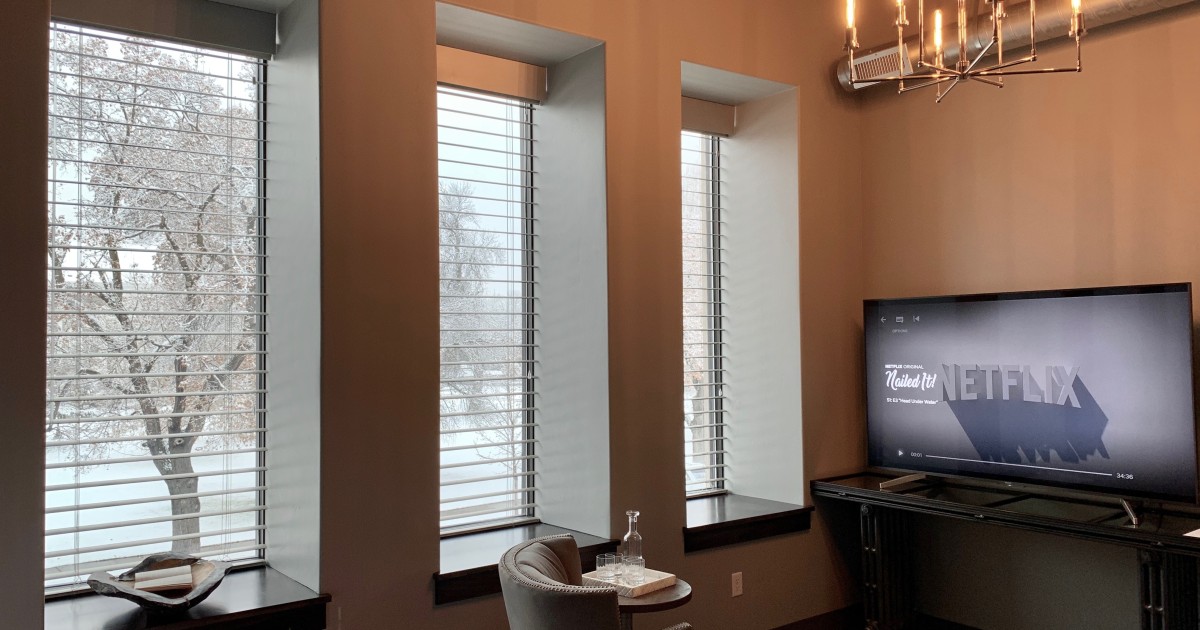
Imagine transforming your living room into the ultimate home theater – a space where movie nights become immersive experiences. Creating a cinema-quality setup doesn't require a Hollywood budget. It's about making smart choices and focusing on the elements that truly elevate your viewing pleasure. This guide breaks down the essential steps, from selecting the right display and audio to optimizing your environment, ensuring your living room becomes the go-to destination for movie lovers.
Choosing the Perfect Display: Size, Resolution, and Technology
The centerpiece of any home theater is undoubtedly the display. Size matters, but so does resolution and technology. Consider the viewing distance when selecting a screen size. A general rule of thumb is to divide your viewing distance (in inches) by 1.5 to determine the ideal screen diagonal. So, if you sit 10 feet (120 inches) away, an 80-inch screen would be a good starting point.
Resolution is equally crucial. While 4K has become the standard, consider whether 8K is a worthwhile investment for your needs. 8K offers incredible detail, but you need compatible content and a screen large enough to truly appreciate the difference. For most living rooms, a high-quality 4K display will deliver stunning visuals.
When it comes to display technology, you have several options. OLED TVs offer perfect blacks and incredible contrast, making them ideal for dark rooms. QLED TVs are brighter and can handle ambient light better, making them a good choice for rooms with lots of windows. Projectors offer the largest screen sizes and create a truly cinematic experience, but they require a dedicated, light-controlled space for optimal performance. Consider your room's lighting conditions and your budget when making your decision.
Immersive Audio: Soundbars, Receivers, and Speaker Systems
A great picture deserves equally impressive sound. Don't underestimate the importance of audio in creating a truly immersive experience. Your options range from simple soundbars to full-fledged surround sound systems.
Soundbars are a convenient and space-saving solution, especially for smaller living rooms. Many modern soundbars offer virtual surround sound and even Dolby Atmos compatibility, simulating a more expansive soundstage. Look for soundbars with a dedicated subwoofer for richer bass.
For a more authentic surround sound experience, consider a dedicated receiver and speaker system. A receiver acts as the central hub, connecting all your audio and video sources and powering your speakers. A 5.1 system (five speakers and a subwoofer) is a common starting point, providing front left, center, front right, surround left, and surround right channels.
7.1 and Dolby Atmos systems offer even greater immersion with additional speakers.
When choosing speakers, consider the size of your room and your personal preferences. Bookshelf speakers are versatile and can be placed on stands or shelves. Floor-standing speakers offer more powerful sound and are a good choice for larger rooms. Wireless surround sound systems are also gaining popularity, offering easier setup and placement.
Optimizing Your Viewing Environment: Lighting, Seating, and Acoustics
Creating the ultimate home theater isn't just about the equipment; it's also about optimizing your viewing environment. Controlling lighting, choosing comfortable seating, and improving acoustics can significantly enhance your movie nights.
Lighting is crucial. Minimize ambient light by using blackout curtains or blinds. Dimmable lights allow you to adjust the lighting levels to create the perfect ambiance. Bias lighting, which is a soft light placed behind the TV, can reduce eye strain and improve perceived contrast.
Comfortable seating is essential for enjoying long movies. Consider reclining sofas or chairs with adjustable headrests and lumbar support. Arrange your seating so that everyone has a clear view of the screen.
Acoustics often get overlooked, but they play a significant role in sound quality. Hard surfaces like walls and floors can reflect sound, creating echoes and muddying the audio. Soft materials like carpets, curtains, and acoustic panels can absorb sound and improve clarity. Consider adding a rug, thick curtains, or even some acoustic panels to your walls to improve the acoustics of your living room.
Streaming Devices, Blu-ray Players, and Content Sources
Your home theater is only as good as the content you can access. Streaming devices, Blu-ray players, and gaming consoles are all essential components for accessing your favorite movies and shows.
Streaming devices like Roku, Apple TV, and Amazon Fire TV provide access to a vast library of streaming services like Netflix, Hulu, and Disney+. Choose a device that supports 4K and HDR for the best picture quality.
While streaming has become increasingly popular, Blu-ray players still offer the best picture and sound quality for physical media. If you're a serious movie enthusiast, a high-quality Blu-ray player is a worthwhile investment.
Gaming consoles like Play Station and Xbox can also be used to watch movies and stream content. They offer the added benefit of being able to play games on your big screen.
Connectivity and Cables: Ensuring a Seamless Experience
Connecting all your devices correctly is crucial for a seamless home theater experience. HDMI cables are the standard for connecting audio and video devices. Use high-speed HDMI cables to ensure you can transmit 4K and HDR signals without any issues.
Consider using a universal remote to control all your devices. This simplifies your setup and eliminates the need for multiple remotes. Many universal remotes can be programmed to control your TV, receiver, streaming device, and Blu-ray player.
Proper cable management is also important for keeping your home theater looking clean and organized. Use cable ties or sleeves to bundle your cables together and hide them behind your TV stand or entertainment center.
Smart Home Integration: Voice Control and Automation
Integrating your home theater with your smart home ecosystem can add a new level of convenience and automation. Use voice assistants like Amazon Alexa or Google Assistant to control your TV, receiver, and lighting.
You can also automate your home theater using smart home hubs like Samsung Smart Things or Hubitat. Create scenes that automatically dim the lights, lower the blinds, and turn on your TV and receiver with a single command.
Imagine saying "Alexa, start movie night" and having your living room transform into a cinema with just your voice. Smart home integration makes your home theater even more enjoyable and convenient.
Calibration and Fine-Tuning: Achieving Optimal Performance
Once you've set up your home theater, it's important to calibrate your equipment to achieve optimal performance. This involves adjusting the picture settings on your TV and receiver to ensure accurate colors, contrast, and brightness.
Many TVs have built-in calibration tools that can help you fine-tune the picture settings. You can also use a calibration disc or hire a professional calibrator to get the best possible results.
Calibrating your audio system involves adjusting the speaker levels and equalizer settings to ensure balanced and clear sound. Use a sound meter to measure the sound levels at each speaker and adjust them accordingly.
Taking the time to calibrate your equipment can significantly improve the picture and sound quality of your home theater.
Emerging Technologies and Future Trends in Home Theater
The world of home theater is constantly evolving, with new technologies and trends emerging all the time. One notable advancement is the increased adoption of laser projectors for home use. These projectors offer brighter images, wider color gamuts, and longer lifespans compared to traditional lamp-based projectors.
Another trend is the rise of Mini-LED backlighting in TVs. This technology uses thousands of tiny LEDs to create more precise backlighting, resulting in improved contrast and brightness.
Spatial audio technologies like Dolby Atmos and DTS:X are also becoming more prevalent, offering a more immersive and realistic sound experience. These technologies use object-based audio to create a three-dimensional soundstage.
As technology continues to advance, we can expect to see even more innovations in the world of home theater, making the viewing experience more immersive and enjoyable than ever before.
Building the ultimate home theater in your living room is achievable with careful planning and execution. By focusing on the key elements – display, audio, environment, and content – you can create a space that rivals even the best cinemas. Start with one or two upgrades and build from there. Don't be afraid to experiment and find what works best for your space and your preferences. The goal is to create a place where you can relax, unwind, and enjoy your favorite movies and shows in style.