
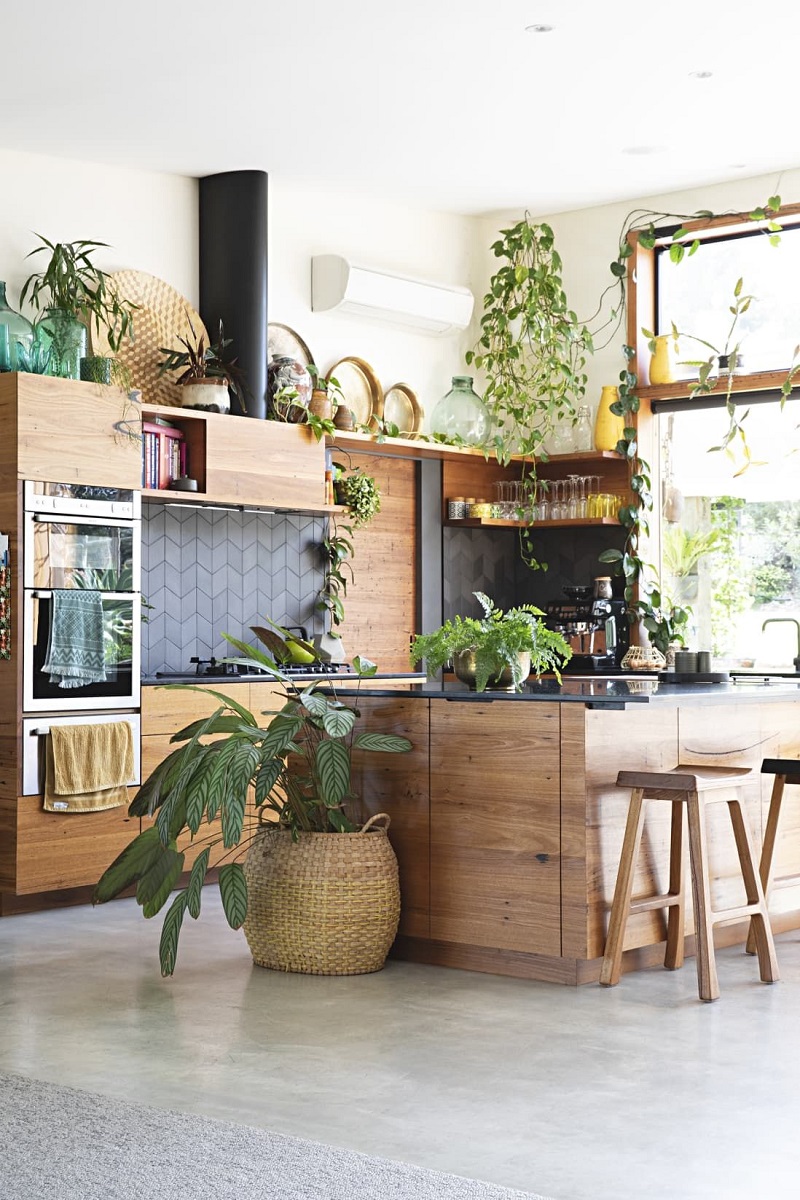
Imagine stepping into your kitchen and feeling instantly refreshed, as if you've been transported to a lush, tropical getaway. That's the power of incorporating green plants into your kitchen design. It's more than just aesthetics; it's about bringing life, vibrancy, and a sense of calm into a space that's often the heart of the home. This guide will explore how to transform your kitchen into a tropical haven with carefully selected greenery, offering practical tips and inspiration for creating your own refreshing escape.
Choosing the Right Plants for Your Tropical Kitchen
Selecting the right plants is the foundation of creating a successful tropical kitchen. Consider factors like light exposure, humidity levels, and available space. Not all plants thrive in the kitchen environment, so careful selection is key. For a tropical feel, focus on plants with large, bold leaves, vibrant colors, and interesting textures. Look at your kitchen's lighting first. Is it bright and sunny, or more shaded? This will dictate which plants will flourish. For sunny kitchens, consider plants like Birds of Paradise, which bring a dramatic flair with their stunning flowers. If your kitchen is darker, opt for plants that tolerate low light, such as ZZ plants or snake plants, known for their resilience and air-purifying qualities.
Humidity is another important consideration. Kitchens tend to be more humid than other areas of the house, especially when cooking. Plants like ferns and orchids thrive in humid environments. Consider grouping plants together to create a microclimate that boosts humidity levels, especially if you live in a drier climate. Remember to research the specific needs of each plant, including watering frequency, soil type, and temperature preferences, to ensure their long-term health and vitality.
Creating the Perfect Tropical Kitchen Ambiance
Beyond selecting the right plants, creating the perfect tropical ambiance involves strategic placement and creative display. Think about how you can use plants to enhance the existing features of your kitchen and create a sense of visual harmony. Hanging plants can add vertical interest and draw the eye upwards, making a small kitchen feel more spacious. Consider hanging baskets or macramé planters filled with cascading plants like pothos or Swedish ivy. On countertops and shelves, cluster plants of varying heights and textures to create visually appealing arrangements. Use decorative pots and containers to complement your kitchen's style and color scheme. Terracotta pots evoke a rustic, earthy feel, while sleek ceramic pots offer a more modern look.
Don't be afraid to get creative with plant placement. A large statement plant, like a Monstera deliciosa, can become a focal point in a corner or near a window. Smaller plants can be used to add pops of green to open shelving or to brighten up a windowsill. Consider incorporating plants into your herb garden for a functional and aesthetically pleasing display. Edible flowers, like nasturtiums, can also add a touch of tropical flair to your kitchen décor.
Maximizing Space with Greenery in Small Kitchens
Even if you have a small kitchen, you can still create a tropical paradise with a few clever strategies. Vertical gardening is your best friend in limited spaces. Use wall-mounted planters, shelves, or hanging baskets to maximize vertical space and bring greenery to eye level. Consider installing a living wall, a vertical structure covered in plants, for a dramatic and space-saving statement. Choose compact plants that won't overcrowd your countertops or shelves. Succulents and air plants are excellent options for small spaces, as they require minimal care and come in a wide variety of shapes and colors. Another space-saving idea is to use magnetic planters to attach plants to your refrigerator or other metal surfaces. This frees up valuable countertop space while adding a touch of green to an otherwise often-overlooked area.
Furthermore, utilize the space above your cabinets. Trailing plants like pothos or string of pearls can be placed on top of cabinets and allowed to cascade down, creating a lush and visually appealing effect. Don't forget about your windowsills – they're perfect for housing small herbs and succulents. The key is to be strategic and creative with your plant placement, maximizing every inch of available space to create a vibrant and refreshing tropical kitchen.
Caring for Your Tropical Kitchen Plants
Maintaining a thriving tropical kitchen garden requires consistent care and attention. Watering is crucial, but overwatering is a common mistake that can lead to root rot. Check the soil moisture regularly before watering, and only water when the top inch or two feels dry to the touch. Use well-draining soil to prevent water from accumulating around the roots. Humidity is another important factor to consider. If your kitchen is dry, you may need to increase the humidity levels around your plants by misting them regularly, using a humidifier, or placing them on a tray filled with pebbles and water.
Provide adequate light for your plants. If your kitchen is dark, consider using grow lights to supplement natural light. Fertilize your plants regularly during the growing season (typically spring and summer) with a balanced liquid fertilizer. Prune your plants as needed to remove dead or yellowing leaves and to encourage new growth. Watch out for pests and diseases, and take action promptly if you notice any signs of infestation or infection. Regular cleaning of plant leaves can also help to prevent pest problems and improve their overall health. By following these simple care tips, you can ensure that your tropical kitchen plants thrive and bring joy to your space for years to come.
Cutting-Edge Innovations in Kitchen Gardening
The world of kitchen gardening is constantly evolving, with new innovations emerging all the time. Smart gardening systems are revolutionizing the way we care for plants, using sensors and automation to optimize watering, lighting, and nutrient delivery. These systems can be controlled remotely via smartphone apps, making it easier than ever to maintain a healthy and thriving kitchen garden. Hydroponics, the practice of growing plants without soil, is another exciting innovation that's gaining popularity. Hydroponic systems are particularly well-suited for small spaces, as they require minimal space and can be easily integrated into a kitchen countertop or wall. LED grow lights are becoming increasingly energy-efficient and effective, allowing you to grow plants indoors year-round, regardless of natural light conditions.
Another trend to watch is the use of biophilic design principles in kitchen design. Biophilic design focuses on connecting people with nature in the built environment, incorporating elements like natural light, ventilation, and greenery to create spaces that are both aesthetically pleasing and beneficial to human health and well-being. As technology continues to advance, we can expect to see even more innovative solutions for creating sustainable and thriving kitchen gardens.
Strategic Recommendations for a Lasting Tropical Kitchen
For a tropical kitchen that lasts, planning and careful execution are crucial. First, consider the overall aesthetic of your kitchen and choose plants that complement the existing décor. Don't overcrowd the space with too many plants – less is often more. Invest in high-quality pots and containers that are both functional and aesthetically pleasing. Group plants with similar needs together to simplify care. For example, group plants that prefer high humidity in one area and plants that prefer drier conditions in another. Regularly assess the health of your plants and adjust your care routine as needed. Be proactive in preventing pests and diseases by regularly inspecting your plants and taking action promptly if you notice any problems.
Consider consulting with a professional interior designer or horticulturalist to get personalized advice and guidance on creating a tropical kitchen that meets your specific needs and preferences. Remember that creating a tropical kitchen is an ongoing process. Be patient and willing to experiment to find what works best for you and your plants. With a little planning and effort, you can transform your kitchen into a refreshing and vibrant tropical oasis that you'll enjoy for years to come.
The takeaway? Start small. Pick one or two plants that you love and that suit your kitchen's conditions. See how they thrive, and then expand from there. Even a single plant can make a difference in bringing a touch of the tropics to your kitchen and creating a more refreshing and inviting space.